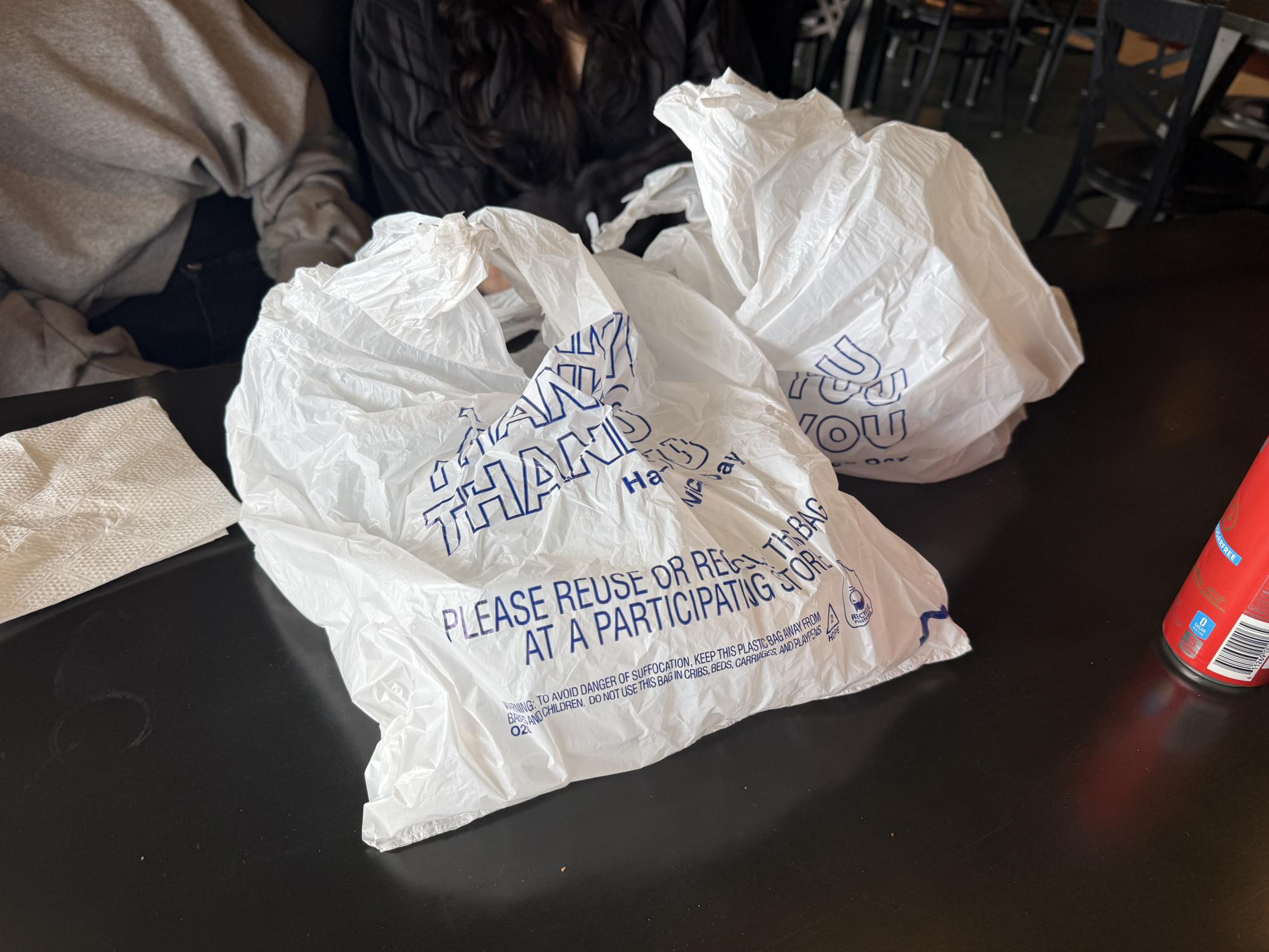
The 2024 ban on plastic bags has made its way into Montgomery County, which took effect on Jan. 1, 2026.
After being introduced on Oct. 11, 2024 by Councilmember Kate Stewart, the ban was voted into effect on Feb. 11, 2025, and the “Bring Your Own Bag” law was created.
The “Bring Your Own Bag” law includes a raised fee on carryout paper bags, going from five cents to 10 cents, and is meant to encourage consumers to bring their own reusable bags to reduce waste.
Half of the profits will go to the retailer to cover the cost of production, and the other half goes to the county to support the Water Quality Protection Fund.
Montgomery County will now be joining the other 70% of Maryland that has already implemented a ban on plastic bags.
Councilmember Kate Stewart made this decision due to many factors. She heard about bags polluting the waterways, parks and general environments, along with the fact that people receiving food assistance programs like SNAP and WIC weren’t exempt from the current bag fee.
The introduction of the law specifically focuses on single-use plastic bags. Restaurants and third parties are not required to collect or remit the fee imposed on paper bags used for carry-out, delivery, and leftovers. Alongside this, residents who have already have plastic bags at home will still be permitted to reuse them.
Some retail uses will have exemptions from the ban, including medication packaging, fresh produce bags, meats and seafoods, newspaper, garbage waste, dry cleaners. People who qualify for SNAP and WIC benefits will be exempt as well.
An organization called “Beyond Plastics” advocates for encouraging people to go towards reusable materials in place of single-use plastics. Their founder, Judith Enck, has made a commitment to reducing plastic pollution around not only the county, but all over the United States. Back in 2019, Enck noticed the amount of plastic waste in the ocean, prompting her to take action.
“The big goal is to eliminate plastic pollution everywhere… we can’t just recycle ourselves out of this mess,” Communication Director Melissa Valliant said.
Her advice for people at home is to use rectangular trash receptacles for smaller trashcans, and using paper bags for recycling.
She says that the biggest thing is to get the elective officials to provide the public with plastic free options, since there aren’t many that exist, and the continuing goals for Beyond Plastics is to get these policy makers and government officials to begin passing more of these laws.
As for the future of plastic use, Stewart will continue working.“There are serious financial and health costs to excessive plastic use and litter, and advocates have proposed a state level bottle deposit bill,” said Stewart. “I am also looking into ways local governments could adjust procurement rules and what we purchase as a county government to reduce plastic waste.”